Around 70 BCE, Cleopatra reportedly filled a gourd with bees to create rhythmic vibration. Centuries later, doctors used steam-powered devices to treat women’s “hysteria.”
These are not just strange stories from the past. They show how pleasure has been shaped by those in control.
What changes when the perspective shifts?
When pleasure was controlled by someone else
In Victorian society, pleasure was treated as a problem rather than an experience.
Women’s sexuality was labeled as “hysteria,” a term that covered both restlessness and desire. Doctors offered manual “treatments” aimed at returning the body to what was considered normal.
Because the process took time, it led to technical solutions.
In 1880, Joseph Mortimer Granville introduced an electromechanical percuteur. Designed to relieve muscle tension, it quickly found another use. Whether intended or not, practice moved forward.
By 1881, similar devices had entered homes. They were marketed as “health devices” or “back massagers.” The language remained neutral, while the use was implied.
The experience itself stayed hidden, but control was clear. Men defined the problem, the solution, and the point at which it was “fixed.”
The female body was part of the process, not its starting point.
Was this deliberate control or limited understanding? The outcome remained the same: pleasure did not belong to the person experiencing it.
This pattern does not belong only to the past.
The moment the focus shifted
A turning point came in the 1970s.
Betty Dodson, an artist and advocate for sexual education, brought the topic of pleasure into public conversation with clarity. She spoke openly about self-exploration and masturbation as normal, necessary experiences.
Her impact lay not only in what she said, but in how she worked. She led workshops where women explored their bodies without judgment. This reframed pleasure as part of conscious self-awareness.
A new approach to design followed. Focus moved from form to function, then to experience. The key question became how something feels.
Modern development is based on data and real user experience.
Alexandra Fine and Janet Lieberman (Dame) gathered input from over 8,000 users across diverse identities to understand what works. This led to designs focused on clitoral needs and sensation rather than outdated assumptions.
Other brands follow similar directions.
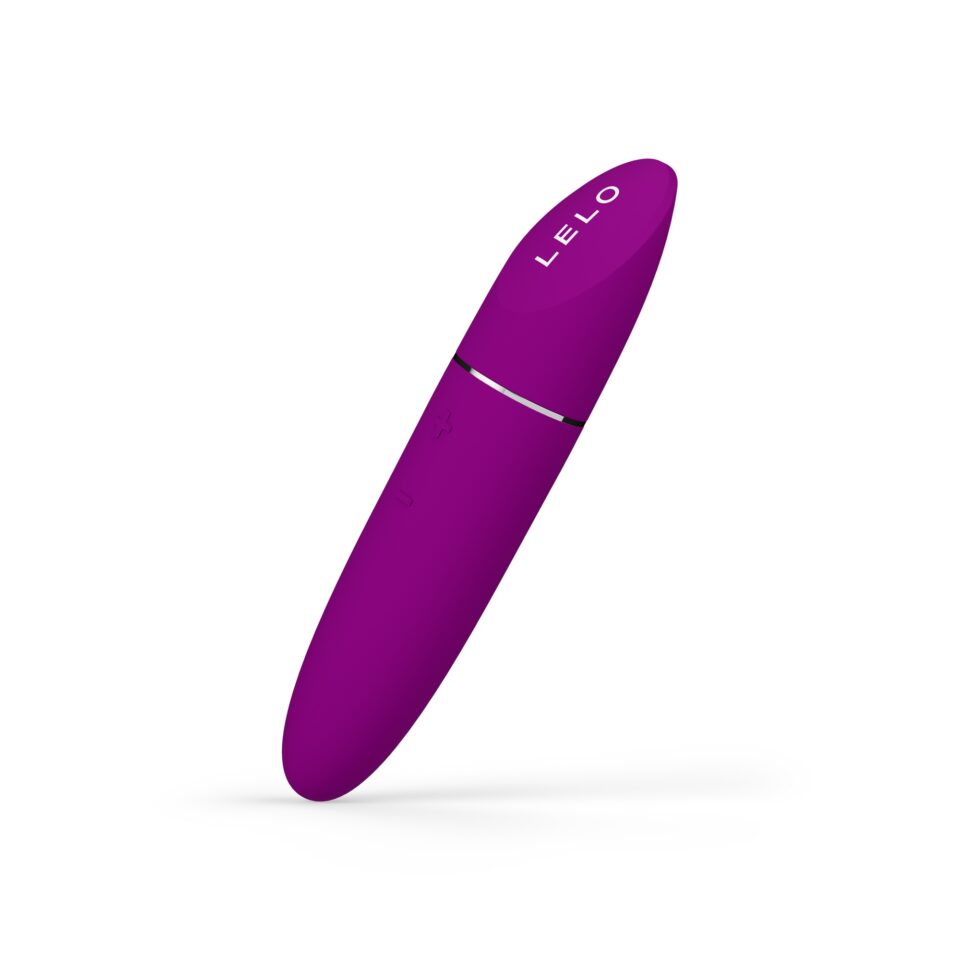
Je Joue (UK) combines refined design with real user experience, showing that sexual wellness does not need to appear clinical or cheap.
MysteryVibe (UK), co-founded by Stephanie Alys, integrates engineering with flexible design, creating products that adapt to the body.
Puissante (France) moves toward an editorial-luxury approach where intimacy, aesthetics, and self-awareness exist within the same experience.
The Oh Collective (Singapore) connects education, community, and pleasure culture, presenting sexual wellness as part of everyday self-care.
This is no longer a niche.
The market for products designed for women and based on women’s experiences is expanding rapidly. The global female sex toys market is projected to grow by approximately $23.97 billion between 2023 and 2028, with an annual growth rate of about 13.6%.
Growth comes from changing attitudes as much as from products.
Pleasure is no longer hidden. It is part of conscious well-being, approached with the same intention as sleep, skincare, or mental health.
The focus has shifted from appearance to experience.
A timeline that reveals more than it seems
28,000 BCE
A 20 cm stone phallus found in the Hohle Fels cave in Germany suggests that sexual tools have been part of human culture for tens of thousands of years.
Upper Paleolithic
Stone and bone objects were used in rituals or for pleasure. Findings across regions indicate use in both fertility practices and personal experience.
411 BCE – “Lysistrata”
Aristophanes’ comedy references dildos made of leather and bread, showing that solutions emerge under constraints.
69-30 BCE – Cleopatra’s bee-filled gourd
Legend describes the use of bee-generated vibration for stimulation.
1734 – Tremoussir
An early mechanical device that suggested vibration but offered limited functionality.
1869 – Steam-powered Manipulator
Developed by George Taylor, large and complex, intended for medical use yet demonstrating that the process could be mechanized.
1880 – Electricity changes the landscape
Granville’s percuteur introduced electrical power, making devices smaller and more efficient.
1906 – Wider availability
Electric devices reached households, marketed discreetly as health and massage tools.
1970s – Conscious shift begins
The sexual revolution and figures like Betty Dodson brought pleasure into public discourse, focusing on experience.
2010s – Focus on the clitoris
Design began to reflect the female body and its actual needs rather than assumptions.
2026 – Personal and conscious pleasure
Pleasure is part of lifestyle, shaped by self-awareness rather than norms.
Where next?
The meaning of pleasure has shifted. What was once controlled is now personal.
Understanding this change creates space to explore what works for you, without assumptions or outdated rules.
If you want to continue exploring, start with what feels natural and build from there.
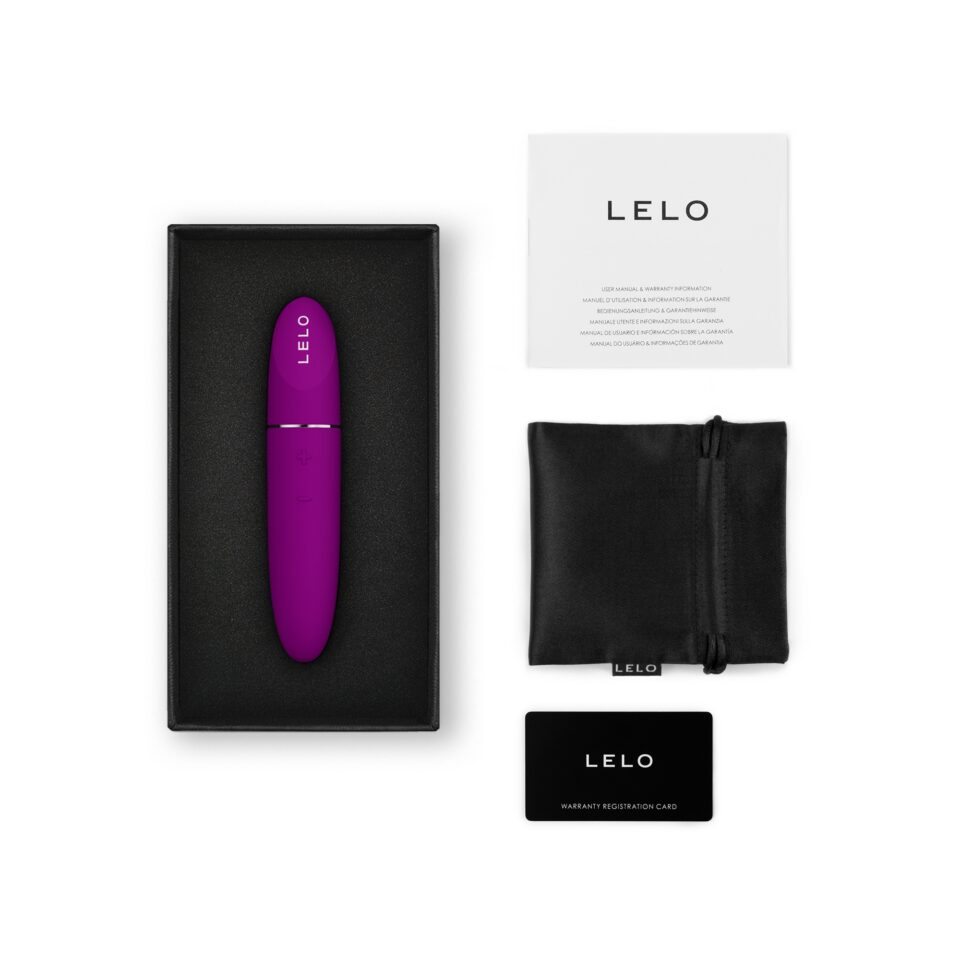
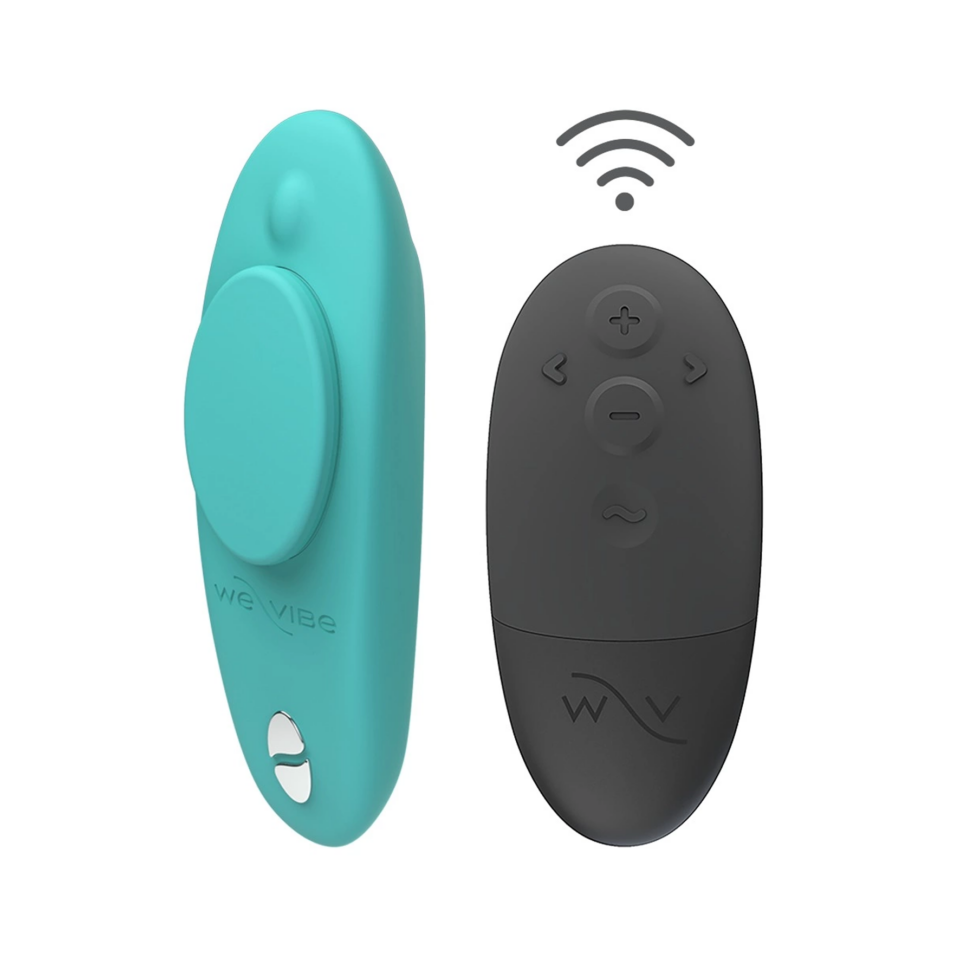
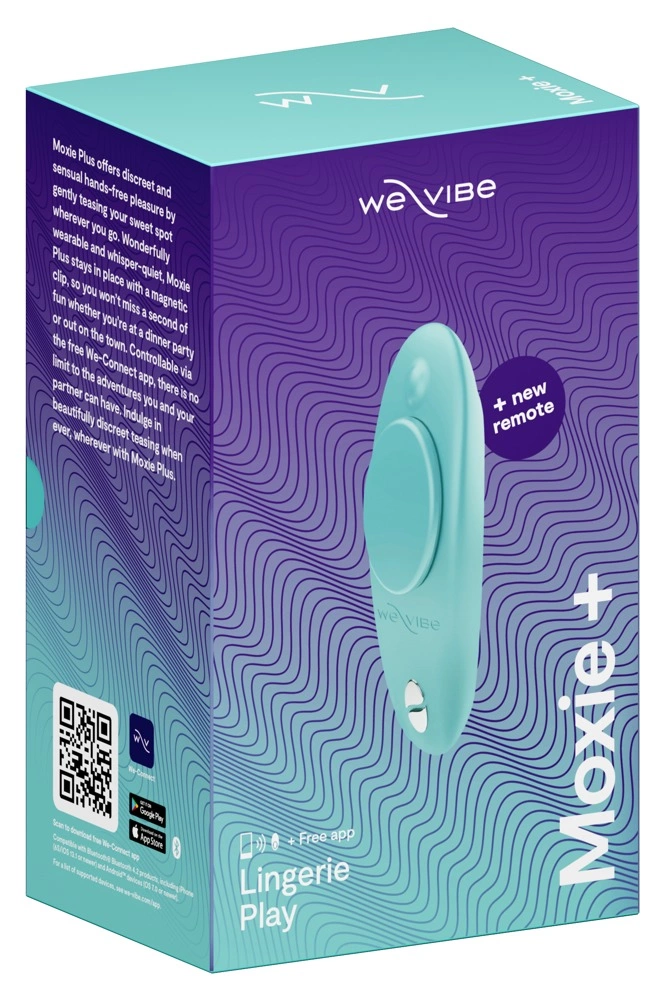
Explore vibrators and find what fits you. Or start with a simple guide: How to choose your first sex toy.